
 By Kenneth Marcos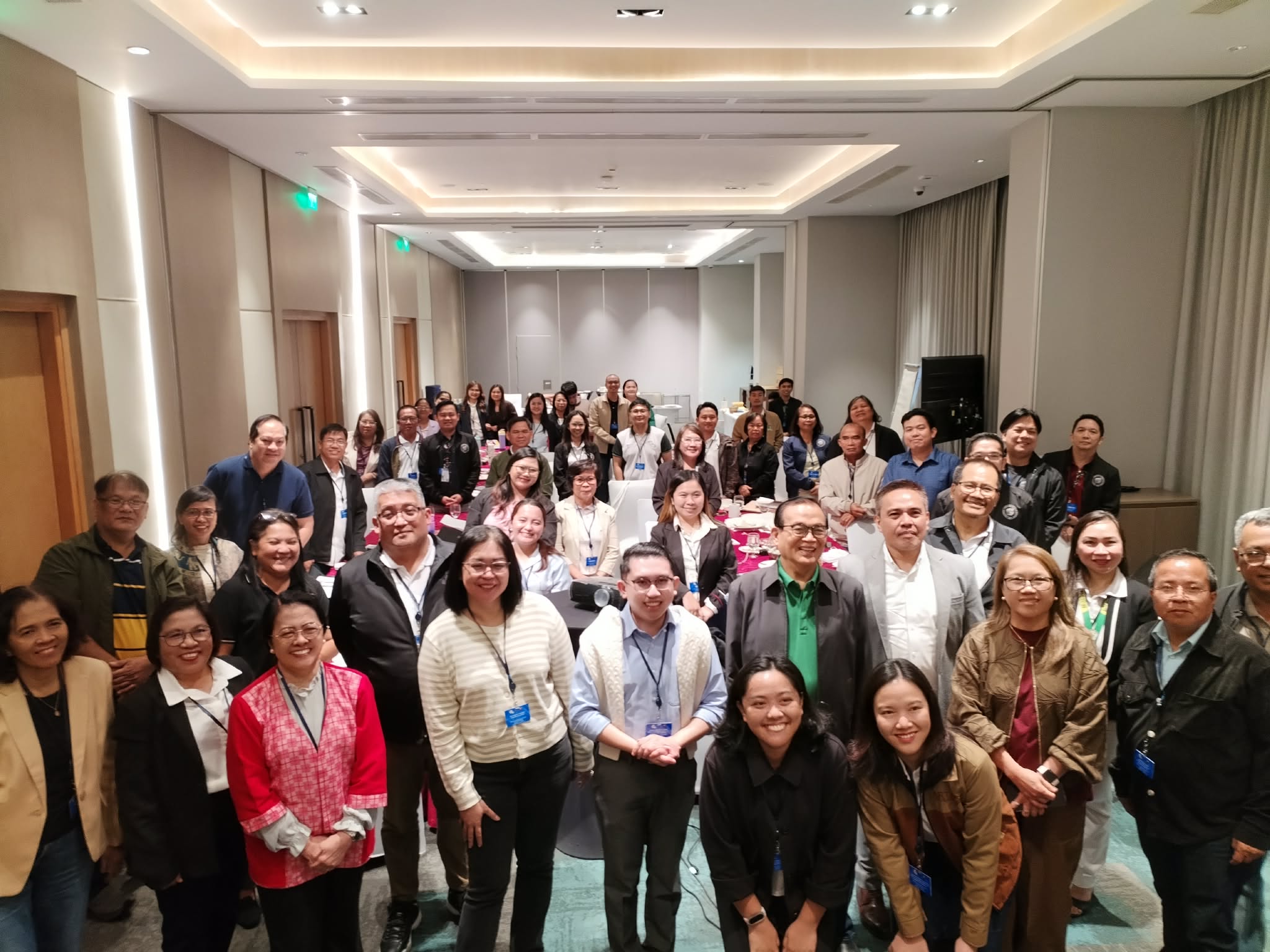
Inside a busy conference hall in Quezon City, government officials and staff gathered attentively, notebooks in hand, ready to learn how to make regulations more practical and effective. From October 21 to 23, 2025, the National Tobacco Administration (NTA) held a three-day Introductory Course on Regulatory Impact Assessment (RIA) at Citadines Roces, aiming to strengthen evidence-based policy-making and regulatory management.
In her opening remarks, NTA Administrator and CEO Belinda S. Sanchez highlighted that RIA is a key tool for creating regulations that are transparent, efficient, and responsive to the needs of stakeholders. She emphasized that the training reflects NTA’s dedication to good governance and public trust through sound regulatory practices.
The training, led by the NTA Regulation Department under Atty. Rohbert A. Ambros, equipped participants with practical skills to apply RIA principles when formulating, reviewing, and implementing regulations. Experts from the Anti-Red Tape Authority (ARTA)’s Regulatory Management and Training Division served as resource speakers. They included Maria Loren Ignacio, IT Officer of the Philippine Business Regulations Information System; Ma. Regina C. Valerio and Angeli Yveth M. San Juan, Project Development Officers II; and Anton Miguel T. Valde, Assistant Division Chief and head of the training team.
Also attending were Deputy Administrator for Operations Nestor C. Casela and Deputy Administrator for Support Services Benedicto M. Savellano, along with managers and staff from NTA’s central and branch offices.
During the course, participants learned to analyze real-world impacts of regulations, identify policy alternatives, map and consult stakeholders, and conduct benefit-cost analysis. They were guided step by step in completing the Regulatory Notification Form (RNF) and Preliminary Impact Statement (PIS)—key tools in the RIA framework.
The course emphasized that regulations should be rational, fit for purpose, and not unduly burdensome. By encouraging data-driven analysis rather than tradition or assumption, the training supports NTA’s goal of creating policies that balance public interest with sector needs.
Through this initiative, the NTA reaffirmed its commitment to regulatory excellence, in line with the National Policy on Regulatory Management System (NPRMS) and the government’s broader objectives of transparency, accountability, and competitiveness in public service.
The training represents a significant step toward empowering NTA personnel to make smarter, evidence-based decisions that strengthen the tobacco industry while safeguarding stakeholder interests.
Pwersa Balita – Your Trusted Source in Agri News