
 By Kenneth Marcos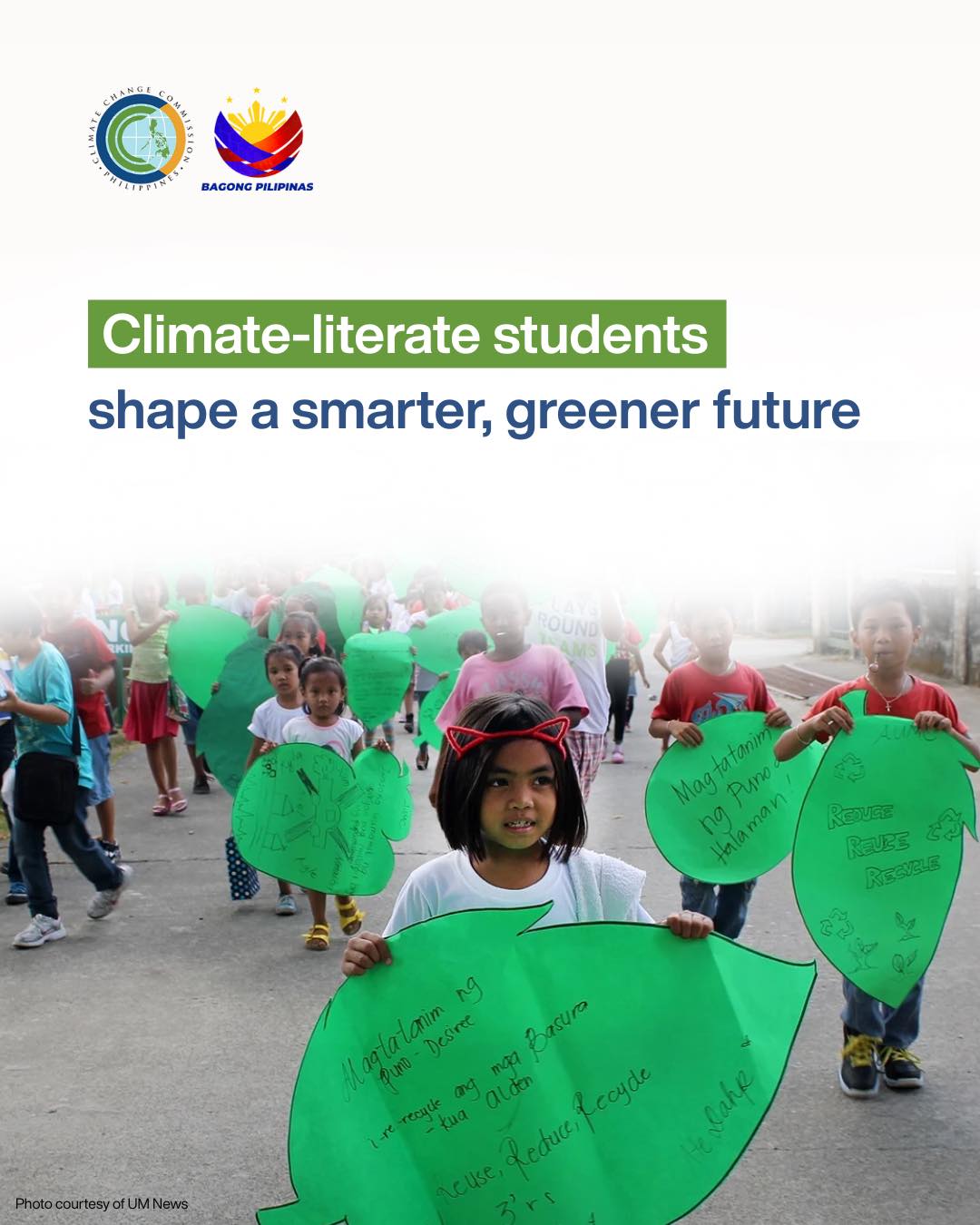
Inside classrooms across the country, students sit at wooden desks, learning lessons that will shape their future. Outside those classrooms, stronger storms, rising heat, and frequent floods are already changing daily life. As climate risks grow more serious, experts say schools must now play a bigger role in preparing young Filipinos to face these challenges.
Climate change requires science-based and data-driven solutions to reduce its impact. But experts warn that these solutions will only work if people understand the crisis and know how to respond. This has renewed calls to strengthen climate education in Philippine schools, from basic education to higher learning.
As the world marked the International Day of Education, climate advocates stressed that education is one of the most powerful tools in building a climate-resilient nation. By teaching students early about climate science, environmental protection, and disaster preparedness, schools can help shape informed citizens who are ready to take action.
Robert E.A. Borje, Vice Chairperson and Executive Director of the Climate Change Commission (CCC), highlighted this message in his recent column, “Classrooms as Frontlines: Why Climate Education Is Now a Test of National Resilience.” He said schools are no longer just places for academic learning but have become key spaces for climate action.
Borje explained that climate literacy helps students understand how climate change affects food supply, health, livelihoods, and communities. For a country like the Philippines, which is among the most vulnerable to climate-related disasters, this knowledge is critical. Typhoons, floods, droughts, and heat waves continue to affect millions of Filipinos every year, especially poor and rural communities.
Experts say that without proper education, climate policies and scientific solutions may fail to gain public support. When people understand the reasons behind climate actions, they are more likely to support sustainable practices, disaster preparedness, and environmental protection.
Placing climate change at the heart of the school curriculum can help students connect science lessons to real-life experiences. Lessons on weather patterns, ecosystems, energy use, and waste management can be linked to what students see in their own communities. This approach makes learning more practical and meaningful.
Government agencies such as the Department of Education (DepEd), the Commission on Higher Education (CHED), and the Technical Education and Skills Development Authority (TESDA) play a key role in this effort. By working together, these institutions can ensure that climate education is included across all levels and fields of study, including technical and vocational courses.
Teachers also need proper training and support to deliver accurate and up-to-date climate information. Experts say investing in teacher education and learning materials is essential to make climate lessons effective and engaging.
Climate education is not only about science. It also teaches responsibility, critical thinking, and community involvement. Students who understand climate risks are more likely to participate in disaster preparedness, environmental projects, and sustainable livelihoods as they grow older.
As climate impacts become more visible each year, many experts believe that delaying climate education is no longer an option. Preparing the next generation is seen as a long-term investment in national resilience.
By strengthening climate education today, the country can empower young Filipinos to protect their communities and help secure a safer future for the next generation.
Pwersa Balita – Your Trusted Source in Agri News