
 By Kenneth Marcos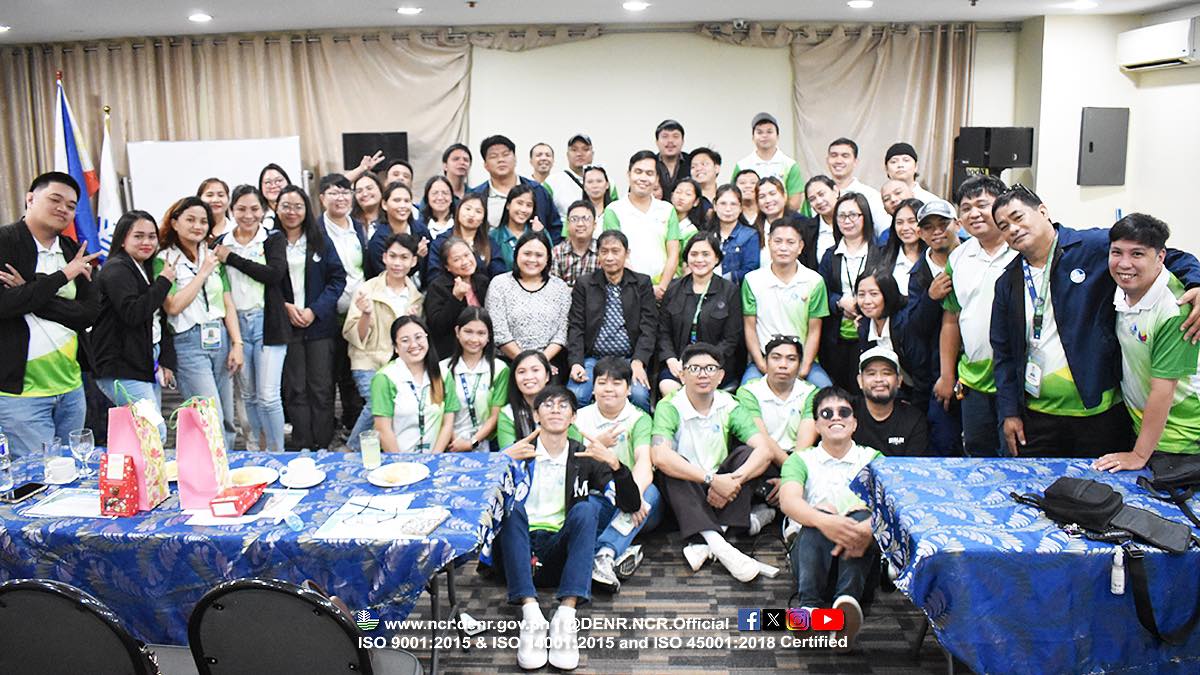
As the year draws to a close, government workers gathered in Quezon City with one clear goal in mind: to look back at what was achieved in 2025 and prepare for tougher, more focused environmental action in the year ahead. The atmosphere was serious but hopeful, as leaders and staff shared lessons learned from months of fieldwork, enforcement, and coordination with local communities.
The Metropolitan Environmental Office (MEO) – East conducted its Year-End Assessment as part of its commitment to review ongoing programs and strengthen the implementation of environmental initiatives for 2026. The assessment covered key areas under its jurisdiction, including Quezon City, Marikina City, and Pasig City—urban centers that face growing challenges from pollution, waste, flooding, and pressure on natural resources.
During the program, cluster leaders presented major projects and activities carried out throughout 2025. These included efforts to protect waterways, manage urban greenery, and improve coordination with local government units. The presentations highlighted both accomplishments and gaps, giving the agency a clearer picture of what worked and what needs improvement.
A major focus of the assessment was Result-Based Planning. Officials discussed how this approach can help ensure that government programs deliver measurable outcomes, not just activities. By setting clear targets and monitoring results, MEO-East aims to make better use of limited resources while responding more effectively to environmental issues that directly affect daily life, such as clogged waterways, illegal dumping, and loss of trees.
The Enforcement Unit of MEO-East also presented its year-end report, opening discussions on how to further improve the enforcement of Environmental and Natural Resources Laws. Particular attention was given to the processing and monitoring of tree cutting and tree pruning permits. These permits are critical in balancing public safety, urban development, and environmental protection.
The unit also discussed wildlife investigation efforts, which remain an important but challenging task in highly urbanized areas. Illegal wildlife trade and improper handling of rescued animals continue to pose risks to both biodiversity and public health. Strengthening coordination with local authorities and improving public awareness were identified as key steps moving forward.
In his message, Officer-in-Charge Director Engr. Virgilio Edralin Licuan encouraged employees to carry forward the values and lessons learned during his leadership. He stressed the importance of order, discipline, and dedication to public service, reminding staff that their work directly affects the well-being of communities and future generations.
“This assessment is not just about reviewing reports,” Licuan emphasized. “It is about renewing our commitment to serve with integrity and compassion, while protecting the environment that sustains our cities.”
Overall, the Year-End Assessment served as an important platform for MEO-East to reflect on the challenges and successes of 2025. It also allowed the agency to lay down clearer, more systematic, and results-oriented strategies for 2026.
With stronger result-based planning, improved coordination among cities and units, and enhanced enforcement and information campaigns, MEO-East expects more efficient and effective implementation of environmental programs. These efforts are especially important in maintaining clean waterways, reducing flood risks, and strengthening compliance with environmental laws in urban communities.
As cities continue to grow and climate risks increase, officials stressed that protecting the environment is a shared responsibility. The plans outlined during the assessment signal a renewed push for sustainable, orderly, and healthier communities in the years ahead.
Pwersa Balita – Your Trusted Source in Agri News