
 By Kenneth Marcos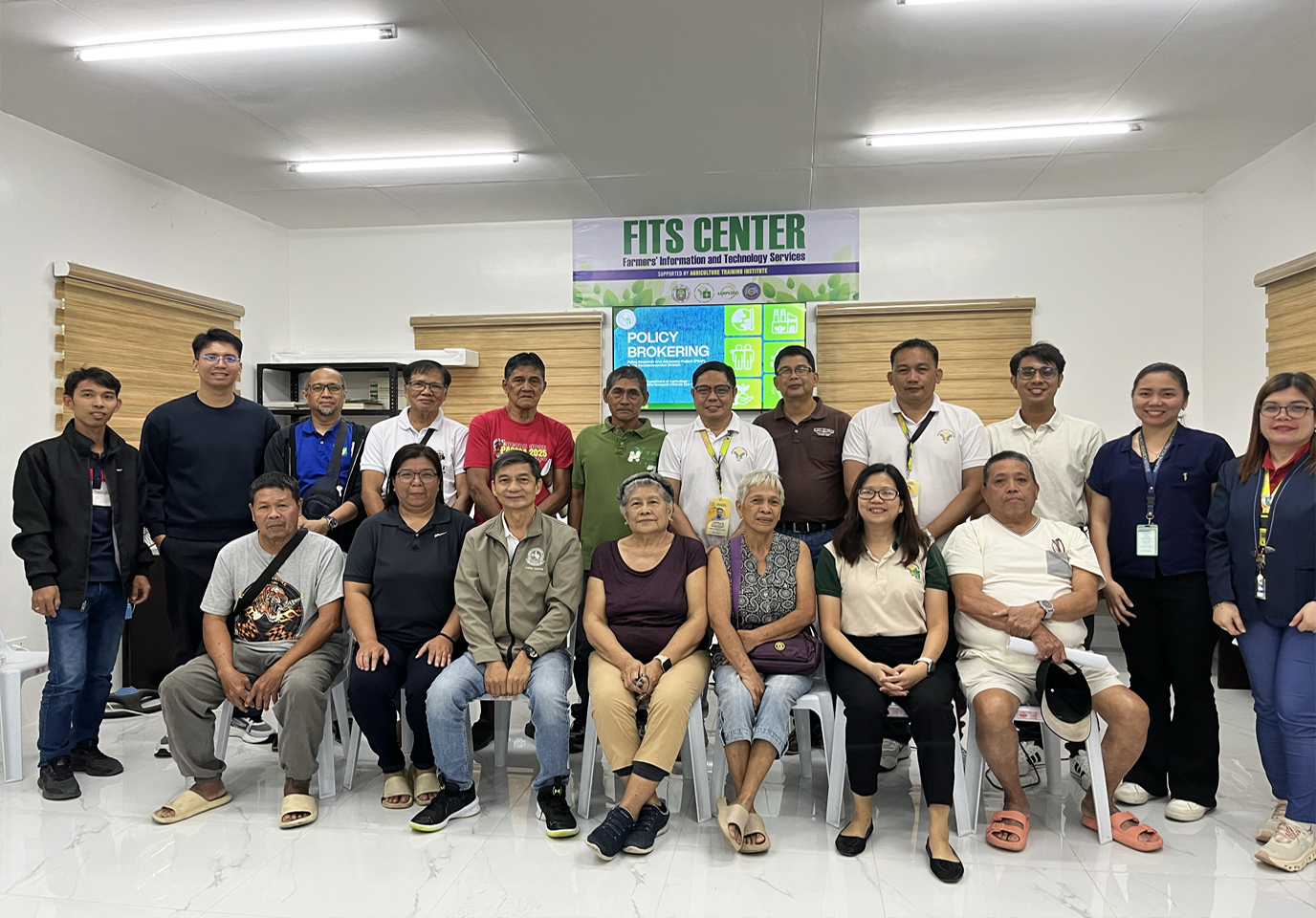
Under the heat of the midday sun, farmers in Pila, Laguna check their rice fields, watching closely for signs of drought and rising input costs. For many of them, every planting season now comes with greater uncertainty. Weather patterns are shifting. Fertilizer prices fluctuate. Profits are not always guaranteed.
In response, the municipality of Pila has begun reviewing science-based agricultural policies aimed at protecting farmers and improving productivity. The discussions were led by the Policy Research and Advocacy Project (PRAP) team in coordination with local government officials.
Three proposed local ordinances were carefully reviewed by municipal staff together with the PRAP team. These draft measures focus on drought adaptation, the implementation of a Balanced Fertilization Strategy, and the promotion of agricultural Information and Communication Technologies (ICTs) in farming.
Drought adaptation policies aim to help farmers prepare for prolonged dry spells. In recent years, the Philippines has experienced stronger El Niño episodes, which have reduced water supply and lowered crop yields in several provinces. Local officials say having clear guidelines at the municipal level can help farmers adopt water-saving practices, diversify crops, and strengthen early response systems.
The second proposed ordinance centers on the Balanced Fertilization Strategy. This approach encourages farmers to use the right type and amount of fertilizer based on soil condition and crop needs. Agricultural experts have long warned that overuse or incorrect use of fertilizer can reduce soil health and increase production costs. By promoting balanced application, officials hope to improve yields while protecting the environment.
The third measure promotes the use of agricultural ICT tools. These include digital platforms, mobile applications, and online advisory systems that provide farmers with weather updates, market prices, and technical guidance. Access to timely information can help farmers make better decisions on planting schedules, pest control, and marketing of produce.
Pila Mayor Queen Marilyd S. Alarva expressed support for the initiative, emphasizing the importance of science-driven solutions in strengthening the town’s agricultural sector. Municipal Agriculturist Camilo B. Palacol said efforts are underway to push for the passage of these ordinances to ensure long-term benefits for local farmers.
Laguna remains one of the key agricultural provinces in Calabarzon, with rice, vegetables, and other crops contributing to local food supply and income. However, like many farming communities across the country, Pila faces challenges linked to climate change, rising production costs, and limited access to updated technologies.
Agricultural modernization has been a continuing priority under national development plans. Experts note that local government support plays a crucial role in turning national programs into concrete actions on the ground. Science-based policies at the municipal level can serve as a foundation for more resilient and competitive farming systems.
For farmers in Pila, these proposed measures represent more than policy documents. They offer a path toward better harvests, smarter input use, and stronger income stability. As climate and market pressures continue to affect rural livelihoods, collaboration between researchers, local officials, and farmers becomes even more important.
The success of these ordinances will depend on proper implementation, training, and community participation. But with sustained effort, Pila’s move toward science-based agriculture may serve as a model for other municipalities seeking to secure the future of their farmers.
Pwersa Balita – Your Trusted Source in Agri News