
 By Kenneth Marcos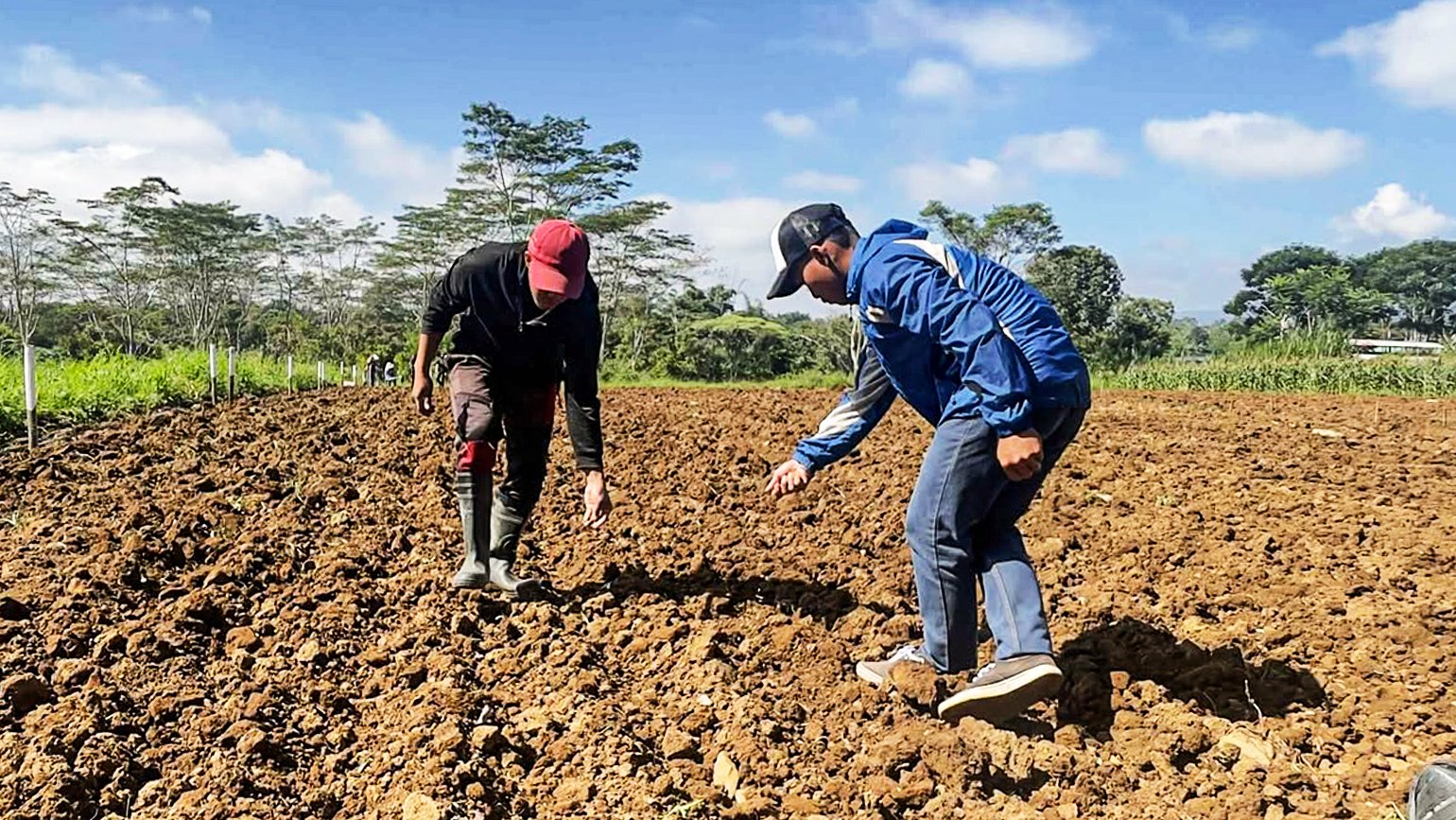
In the quiet highlands of Malaybalay City, Bukidnon, where rice paddies cling to the slopes and the soil is rich but rugged, a new kind of hope is growing—one that promises better harvests for upland farmers who often face the harshest conditions.
To support small-scale farmers in mountainous areas, the Department of Agriculture (DA), through the Philippine Rice Research Institute (PhilRice) and its partners, has launched new upland rice field trials in Dalwangan, Malaybalay City.
The trials, part of the National Cooperative Testing (NCT) program, aim to find rice varieties that are best suited to the unique climate and soil conditions of Northern Mindanao. These tests are being conducted in collaboration with the DA Regional Field Office 10 and the Northern Mindanao Agricultural Crops and Livestock Research Complex (NMACLRC).
Unlike traditional lowland rice farming, upland rice is grown on sloped or elevated terrain without the use of irrigation systems. This makes it especially challenging, as farmers must rely heavily on rainfall and deal with lower soil fertility.
The goal of the program is to identify upland rice varieties that can withstand drought, resist pests, and grow well even in less fertile soil. By using standardized testing methods and field demonstrations, researchers hope to provide reliable data that will help in developing more resilient and high-yielding rice seeds.
“This kind of research is critical,” said a local agriculture technician from the region. “Our upland farmers are often left behind because they lack access to new technologies and better seed options. These trials can change that.”
Bukidnon is one of the major agricultural provinces in the Philippines, supplying vegetables, corn, and rice not only to Mindanao but also to other parts of the country. However, many farmers in upland communities still struggle with low yields and limited market access.
By strengthening research and promoting science-based solutions, the DA hopes to improve food security and increase farmers’ income, especially in rural and hard-to-reach areas.
The testing in Bukidnon is expected to continue in the coming planting seasons. Once successful varieties are identified, these seeds will be distributed to farmers across Northern Mindanao.
Officials say this is just one of many steps in a larger plan to modernize the country’s rice sector. The long-term goal is to help farming communities become more resilient to climate change and less dependent on expensive imported rice.
For upland farmers, even small changes in seed quality can mean the difference between a failed crop and a successful harvest.
As the new rice varieties take root in the Bukidnon soil, so does a renewed hope—one grain at a time.
Pwersa Balita – Your Trusted Source in Agri News