PhilFIDA Gives Abaca Aid to Surigao Farmers

In a remote community in Surigao del Sur, government workers and local residents gathered with a shared goal — to bring new livelihood opportunities closer to farming families living in isolated areas. For many residents, the support offers hope for stronger income and long-term community development.
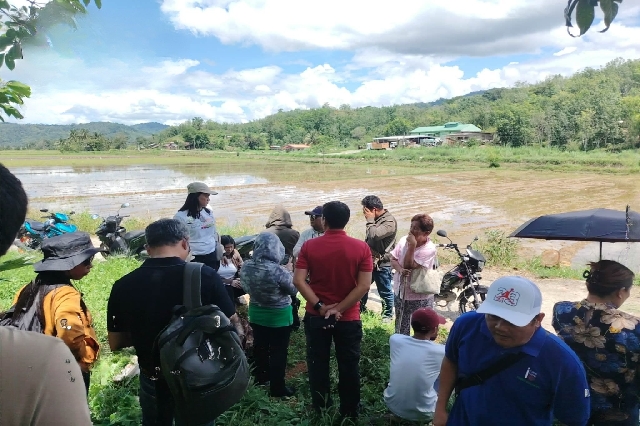
The Philippine Fiber Industry Development Authority, also known as PhilFIDA, joined the Poverty Reduction, Livelihood and Employment Cluster (PRLEC) Consultative Meeting held on May 12, 2026, in Sitio Han-ayan, KM 16, Diatagon, Lianga, Surigao del Sur.
The activity was conducted in support of the national government’s push for inclusive rural development under the administration of Ferdinand Marcos Jr. and Agriculture Secretary Francisco Tiu Laurel Jr.. It also forms part of the government’s Whole-of-Nation approach aimed at improving livelihood opportunities and promoting sustainable peace in geographically isolated and disadvantaged areas.
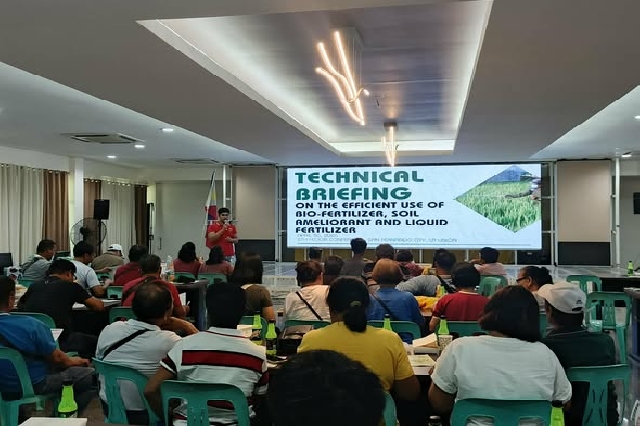
During the meeting, government agencies consulted with local communities to identify their immediate needs and determine what assistance programs could help improve livelihoods and economic activity in the area.
Following the consultation, PhilFIDA Regional Office XIII, led by Officer-in-Charge Regional Director Samuel Nacino Jr., distributed tissue-cultured abaca planting materials and fertilizer assistance for the establishment of an abaca nursery.
Officials said the nursery will serve as a long-term source of quality planting materials for farmers and future abaca production projects in the community. The initiative aims to help farmers increase productivity while strengthening the country’s natural fiber industry.
Abaca, locally known as Manila hemp, is one of the Philippines’ major agricultural exports and is valued worldwide for its strong and durable fiber. It is commonly used in ropes, specialty paper, handicrafts, textiles, and eco-friendly products. The Philippines remains one of the world’s leading producers of abaca fiber, providing livelihood to thousands of farming families, especially in Mindanao and the Bicol Region.
Government officials said helping farmers gain access to quality planting materials is important in improving crop yield and protecting the industry from diseases that affect abaca plantations.
The PRLEC meeting also highlighted the importance of cooperation among government agencies in delivering programs to far-flung communities. Authorities believe stronger collaboration can help reduce poverty, create jobs, and encourage long-term peace and development in vulnerable areas.
PhilFIDA said the initiative reflects its continuing commitment to supporting sustainable countryside development while helping strengthen the Philippine fiber industry. Officials added that empowering rural communities through agriculture remains vital in achieving food security and economic growth.
As more support programs reach remote farming communities, residents hope these efforts will create better opportunities for future generations and help improve the quality of life in rural areas.
Pwersa Balita – Your Trusted Source in Agri News
#PhilFIDA, #AbacaIndustry, #SurigaoDelSur, #RuralDevelopment, #PwersaBalita
-
 DA-BSWM Promotes Land Management in Bataan Event
-
 DA-BPI Offers Free Urban Gardening Seminar in Manila
-
 BFAR Chief Visits Bohol Fisherfolk Communities
-
 DA Files P94-M Ghost Road Case in Davao Occidental
-
 DA Urges Farmers to Stop Burning Rice Straw
-
 BPI Turns Fruit Waste Into Hass Avocado Seedlings
-
 BFAR Gives Aid to Calayan Fishers in May.
-
 DA Joins Open Gov Week to Boost Transparency
-
BALITA 9
-