DA Urges Farmers to Stop Burning Rice Straw

As harvest season continues across many farming communities, thick smoke from burning rice straw often fills the air in rural areas. While some farmers see it as the fastest way to clear fields, agriculture experts warn that the practice can damage the soil, pollute the environment, and affect public health.
The Department of Agriculture (DA) is reminding farmers to avoid burning rice straw and other crop residues, encouraging more sustainable farming practices that protect both the land and the environment.
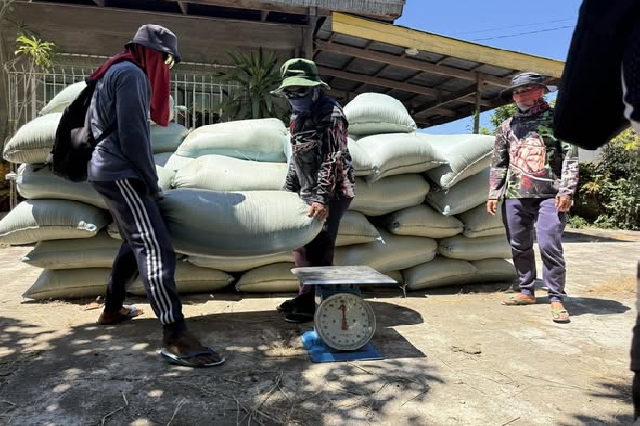
According to the DA, rice straw and other agricultural residues are valuable sources of biomass that can still be used after harvest. Instead of burning them, farmers are encouraged to turn these materials into organic soil amendments, compost, and additional nutrient sources for farmland.
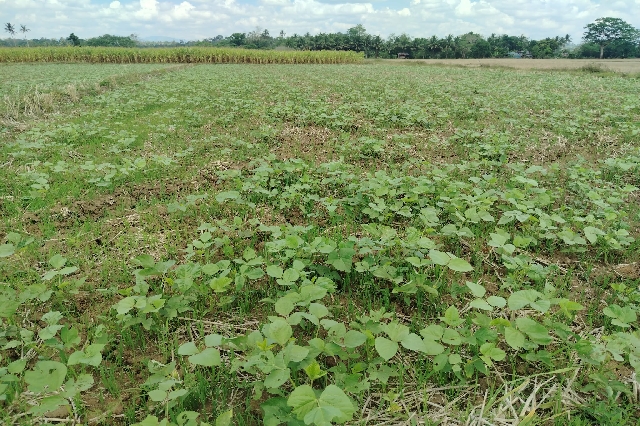
The government said proper crop residue management can help improve soil health, increase water retention, and support long-term farm productivity. Experts added that decomposed rice straw can return important nutrients to the soil, reducing dependence on chemical fertilizers over time.
The reminder was also supported by the Bureau of Soils and Water Management, which continues to promote climate-smart and environmentally friendly farming methods across the country.
Agriculture authorities warned that open-field burning contributes to greenhouse gas emissions and air pollution. Smoke from burning farm waste may also affect nearby communities, especially children, senior citizens, and people with respiratory illnesses.
The Philippines, one of Asia’s major rice-producing countries, generates millions of tons of rice straw every year during harvest seasons. While burning remains a common practice in some areas because it is cheap and quick, experts say sustainable alternatives are becoming more important as climate and environmental challenges continue to grow.
Among the recommended practices are composting, mulching, incorporation of residues into the soil, and using crop waste for organic fertilizer production. These methods not only reduce waste but can also improve the condition of agricultural land in the long term.
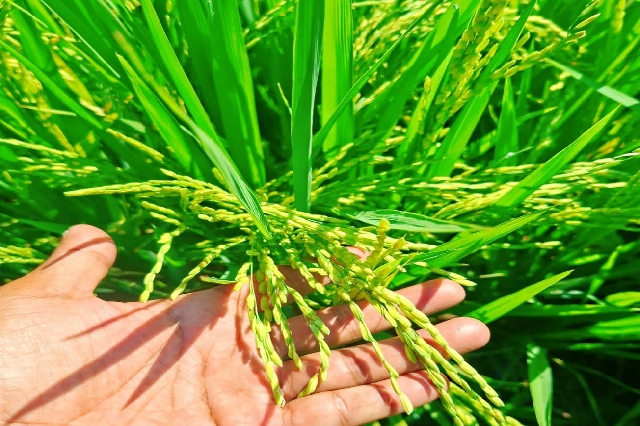
The DA said protecting soil quality is essential to ensuring stable food production for future generations. Healthy soil helps farmers maintain stronger crops, better harvests, and more resilient farms during extreme weather conditions brought by climate change.
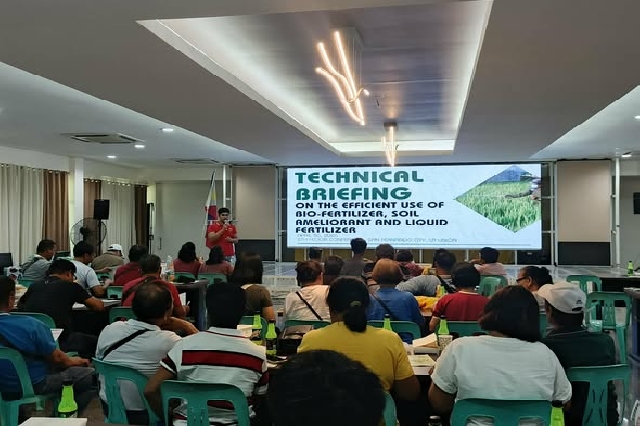
Government agencies continue to conduct information campaigns and training programs to educate farmers on proper residue management and sustainable agriculture techniques. Officials hope more farming communities will adopt safer and greener methods that balance productivity with environmental protection.
As the country works toward stronger food security and sustainable agriculture, authorities are calling on farmers and communities to work together in caring for the land that feeds millions of Filipinos every day.
Pwersa Balita – Your Trusted Source in Agri News
#RiceStrawManagement, #SustainableAgriculture, #BSWM, #ClimateSmartFarming, #PwersaBalita
-
 DA-BSWM Promotes Land Management in Bataan Event
-
 DA-BPI Offers Free Urban Gardening Seminar in Manila
-
 BFAR Chief Visits Bohol Fisherfolk Communities
-
 DA Files P94-M Ghost Road Case in Davao Occidental
-
 PhilFIDA Gives Abaca Aid to Surigao Farmers
-
 BPI Turns Fruit Waste Into Hass Avocado Seedlings
-
 BFAR Gives Aid to Calayan Fishers in May.
-
 DA Joins Open Gov Week to Boost Transparency
-
BALITA 9
-